Why Choose Nail Gel Polish for Your Manicure Needs?
In the quest for the perfect manicure, Nail Gel Polish stands out. It offers durability and shine that regular polish often lacks. With its fast-drying formula, you can enjoy a flawless finish in no time. Many people love the vibrant colors and unique finishes available in Nail Gel Polish. It allows for creative expression without the hassle of frequent touch-ups.
However, not everything is perfect. Some users may find the removal process tedious. It can also lead to nail damage if not applied correctly. With so many brands on the market, choosing the right one might feel overwhelming. Research is essential to make an informed decision.
Despite these drawbacks, Nail Gel Polish remains a favorite in the beauty community. Its long-lasting results and appealing aesthetic make it hard to resist. If you are looking for a way to elevate your manicure game, this option might be worth considering. Just remember to weigh the pros and cons before diving in.
Understanding Nail Gel Polish: An Overview of its Composition
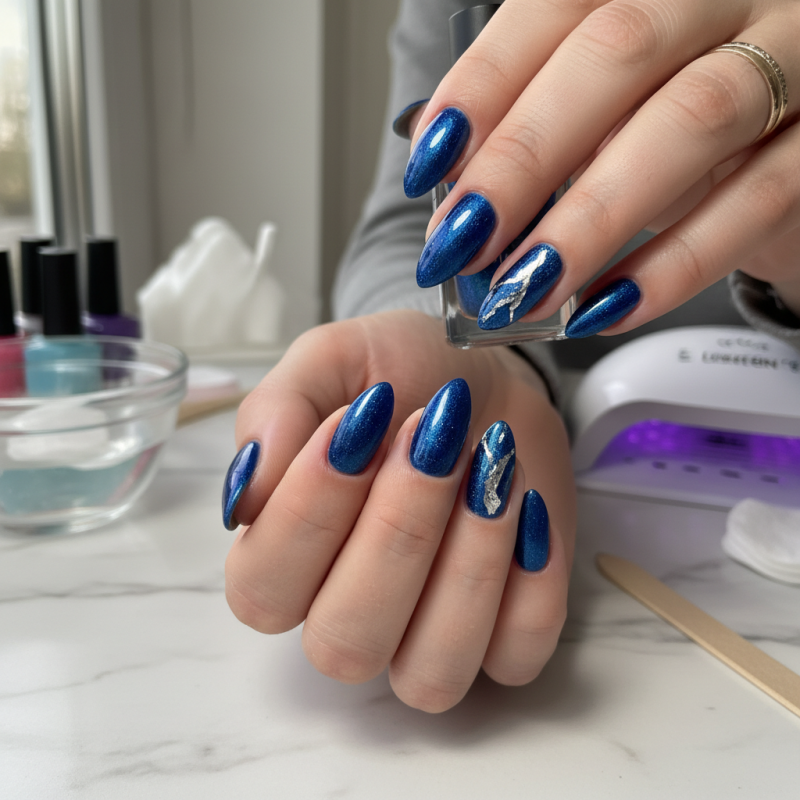
Nail gel polish has become a popular choice for manicures. Understanding its composition helps highlight its advantages. Gel polish typically consists of film-forming agents, pigments, solvents, and additives. These components work together to create a durable, long-lasting finish. Recent reports indicate that the gel polish market is growing, expected to reach $1.2 billion by 2026.
The film-forming agents are crucial for the polish's longevity. They provide strength and a glossy finish. Pigments give gel polishes their vibrant colors. Solvents ensure a smooth application. However, not all formulations are created equal. Some products may contain harmful chemicals, leading to potential health risks. Consumer awareness is essential.
It's important to note that removal can be damaging to the nail. Acetone-based removers can dry out nails and cuticles. Professionals recommend proper techniques to minimize damage. Consumers should seek products that prioritize safety and quality. Ultimately, understanding the composition of nail gel polish can lead to better choices for manicure needs.
Advantages of Nail Gel Polish Over Traditional Nail Polish
Nail gel polish has gained immense popularity for good reasons. It offers significant advantages over traditional nail polish. A recent report from the Professional Beauty Association shows that gel polish accounts for over 30% of the manicure market. This rise reflects its practical benefits.
One key advantage is longevity. Gel polish can last up to three weeks without chipping. Traditional nail polish chips within a few days. This means fewer trips to the salon. The smooth finish of gel polish adds to its appeal. It provides a glossy look that maintains its shine. However, removal can be tricky and may require soaking, which can be a downside.
Another area to consider is drying time. Gel polish cures under UV light, setting within minutes. Traditional polish can take hours to dry, leaving risks for smudges. The fast application is a game-changer for busy individuals. Despite these benefits, some users report sensitivity to the curing process. This point deserves reflection. Finding balance between efficiency and comfort is essential for the best manicure experience.
Advantages of Nail Gel Polish Over Traditional Nail Polish
Nail gel polish offers several advantages over traditional nail polish, including superior durability, faster drying times, a more intense shine, and enhanced chip resistance. The ease of removal, while generally more challenging than traditional polish, is often outweighed by the benefits provided. The bar chart above illustrates the comparative advantages of nail gel polish, highlighting why it has become a preferred choice for manicures.
Application Process: Step-by-Step Guide to Achieve Perfect Results
Applying nail gel polish can transform your manicure game. To achieve perfect results, follow this
step-by-step guide.
Start by prepping your nails. Remove old polish and shape your nails. Clean your nail bed to ensure a smooth application.
Apply a base coat evenly, covering the entire nail.
Cure the base coat under a UV or LED lamp. It's crucial to follow the timing for optimal bonding.
Next, apply a thin layer of color gel polish. Make sure to avoid the cuticles to prevent lifting.
Cure again, and repeat with a second coat for better color depth.
Tips: Always work in thin layers. This helps your gel cure properly.
If you apply too thick a layer, it may not dry evenly. After the final coat, apply a top coat for shine and protection.
Don’t forget to cure this layer too.
Reflecting on imperfections, many struggle with an even finish.
If your polish bubbles or appears streaky, don’t panic. It’s part of the learning process.
Experiment with different techniques. Each attempt can lead to improvement in your skills.
Adjust your light distance and curing times for the best outcomes.
Longevity and Durability: Why Gel Polish Lasts Longer
Nail gel polish has gained popularity for good reasons. One of the most significant advantages is its longevity. Unlike traditional nail polish, gel polish can last up to two weeks or even longer without chipping. This is primarily due to its strong formula, which adheres closely to the nail. The result? Less frequent trips to the salon and more time enjoying your beautiful nails.
The durability of gel polish is another key factor. It’s resistant to smudges and scratches, even when you have a busy week. Whether you're typing away at a computer or hitting the gym, your manicure stays intact. However, achieving this durability requires a meticulously controlled curing process under UV or LED lamps. It can be easy to overlook the importance of this step, leading to less-than-perfect results.
While gel polish offers many benefits, there are aspects to consider. Some people may find removal challenging. It often requires soaking and gentle scraping, which can damage the nails if not done carefully. Regular use without breaks may also lead to dryness or weakness in the natural nails. Balancing these concerns is crucial for a healthy and stylish mani!
Why Choose Nail Gel Polish for Your Manicure Needs?
| Feature |
Gel Polish |
Traditional Polish |
| Longevity |
Up to 2 weeks |
3-7 days |
| Durability |
Highly resistant to chipping |
Prone to chipping |
| Curing Process |
Requires UV/LED light |
Air dries |
| Finish |
High gloss |
Variable, matte or glossy |
| Removal Process |
Soak-off removal |
Easily removed with polish remover |
Removal Techniques: Safely Taking Off Your Nail Gel Polish
Removing nail gel polish can be a bit tricky. The process requires patience and the right techniques to avoid damaging your nails.
Soaking your nails in acetone is a common method. It works by breaking down the gel formula. However, it's crucial to protect your skin. Use a moisturizing lotion around your nails to minimize dryness.
Another popular technique is using a buffer. Gently buff the top layer of the gel to help the acetone penetrate better. But be careful not to over-buff, as this can weaken your natural nails. The aim is to remove the gel without harming what lies beneath.
Tips to remember: Always have cotton pads ready when using acetone. Wrap them around your nails and secure with foil. This helps in keeping the solution in contact longer. If you find the gel stubborn, re-soak as necessary. Don’t rush the process; it may take some time. If it feels difficult, remember, it's okay to ask for help.