What is Uv Gel and How Does it Work?
In the beauty industry, Uv Gel has gained significant attention for its innovative properties. This versatile product offers a long-lasting alternative to traditional nail polish. According to a recent market report by Research and Markets, the global Uv Gel market is projected to grow at a CAGR of 7.5% from 2024 to 2030.
Dr. Emily Carter, a leading expert in cosmetic chemistry, notes, "Uv Gel provides durability and shine that conventional products struggle to match." This statement highlights the appeal of Uv Gel in both professional salons and home use. However, while many appreciate its benefits, it raises questions about safe usage and potential skin reactions.
Inexperienced users may underestimate the importance of proper application techniques. This oversight often leads to issues like uneven curing or chipping. As the popularity of Uv Gel rises, education on its application and safety becomes more crucial. Balancing its advantages with a mindful approach is essential in this evolving industry.
What is Uv Gel?
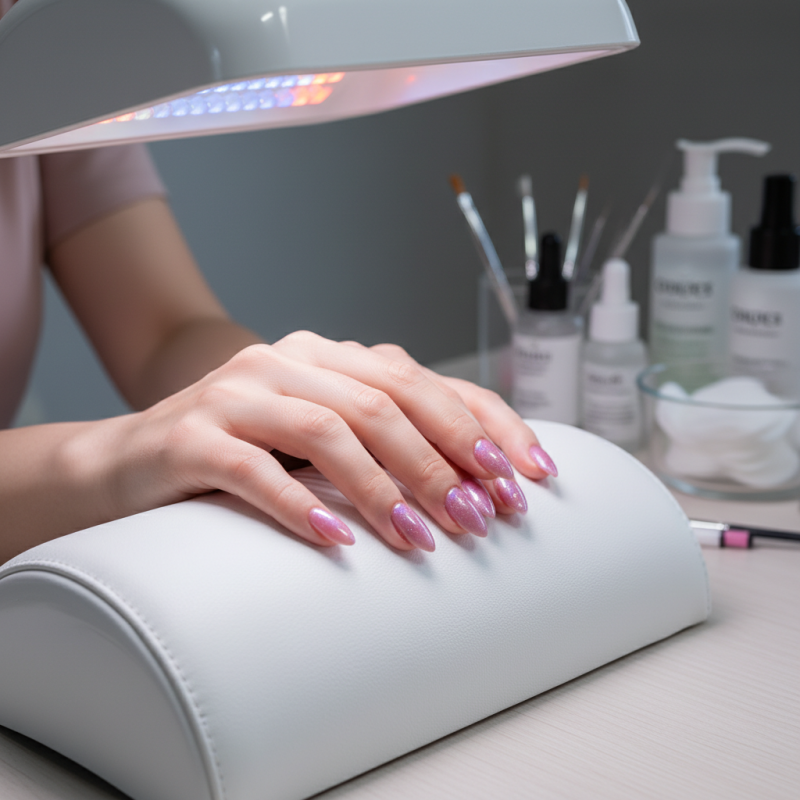
UV gel is a specialized type of gel used primarily in nail enhancement. This unique product undergoes a curing process when exposed to Ultraviolet (UV) light. The light activates the gel, causing it to harden and bond to the natural nail. It offers a durable and glossy finish, ideal for nail art enthusiasts.
Applying UV gel involves several steps. First, the natural nail is prepared by cleaning and buffing. A base coat is applied, followed by the colored gel, and each layer is cured under a UV lamp. The process is repeated to achieve the desired thickness and color intensity. However, not all gels are created equal. Some may not cure properly or could lead to nail damage if misused.
The appeal of UV gel lies in its long-lasting nature. Unlike traditional nail polish, UV gel can last for weeks without chipping. Yet, achieving the perfect finish requires skill and attention to detail. Improper application can lead to uneven surfaces or lifting. Nail care is crucial both during and after use. Regular breaks between applications can help maintain nail health.
UV Gel Usage Statistics
This bar chart illustrates the different applications of UV gel and their respective usage percentages. As seen in the chart, nail art dominates the application of UV gel, reflecting its popularity in the beauty industry.
The Composition of Uv Gel
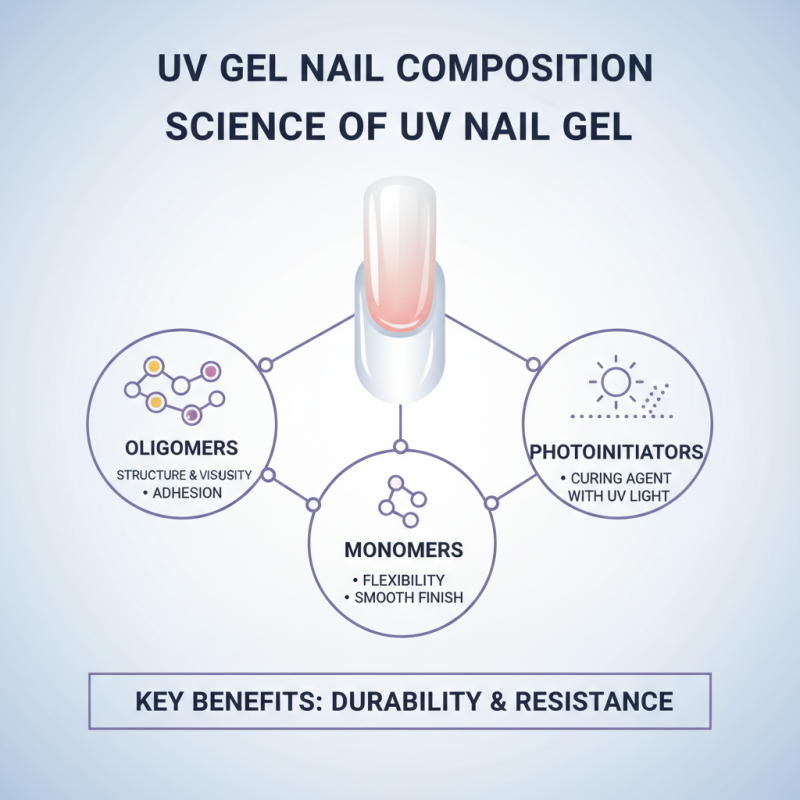
UV gel is increasingly popular in the nail industry. Its composition plays a vital role in its effectiveness. Generally, UV gels are composed of three main components: oligomers, monomers, and photoinitiators. Oligomers provide the gel with its structure and viscosity. They create a film that adheres well to the nail. Monomers, on the other hand, allow for flexibility and help in creating a smooth finish. These components ensure durability against daily wear and tear.
Photoinitiators are crucial as they trigger the curing process when exposed to UV light. This process transforms the gel from a liquid to a solid form. Reports indicate that when properly formulated, UV gels can increase nail lifespan by up to 30%. However, not all UV gels are created equal. Some formulations may include harmful solvents. It's essential to choose options that prioritize safety. The industry is moving toward more eco-friendly and less toxic products, reflecting consumer demand for healthier choices.
While UV gel has its advantages, improper application can lead to issues. If not cured correctly, the gel may lift or chip. Many manicure enthusiasts have faced this problem. Understanding the composition of UV gel helps users make informed decisions. It's important to reflect on not just the application but also the products used.
How Uv Gel Cures Under UV Light
UV gel is a popular product used for nail enhancements. Understanding how this gel cures under UV light is vital for those interested in nail art. The curing process transforms liquid gel into a hard, durable layer. When exposed to UV light, the gel undergoes a chemical reaction. This reaction helps bond the gel to the natural nail.
During application, the gel appears glossy and smooth. However, it remains flexible until cured. Curing usually takes about 30 seconds to two minutes, depending on the specific gel and lamp used. Once cured, it hardens, giving a sturdy finish. Watching the gel transform under the light can be fascinating. It's an instant change that showcases the power of UV technology.
Not all UV gels are the same, and some can be tricky. Inconsistent curing times may lead to uneven layers. It's essential to ensure proper exposure to light. If not, the gel can feel sticky or even peel off. Pay attention to the lamp and its settings. Finding the right balance takes practice, but the results can be stunning.
Applications of Uv Gel in Nail Art
UV gel has transformed nail art by providing a durable and glossy finish. Its applications extend beyond aesthetics; it supports nail health and creativity. Various reports suggest that the global market for UV gel-based products is expected to grow at a significant compound annual growth rate (CAGR) of over 10% in the coming years. This reflects a rising demand for innovative nail solutions.
Nail technicians often use UV gel for intricate designs. Unlike traditional nail polish, UV gel hardens when exposed to UV light. This curing process ensures longevity and resistance to chipping. Creative artists can experiment with colors and patterns, appealing to diverse clientele. One survey revealed that over 70% of customers prefer UV gel over regular polish for its durability.
Tips: When using UV gel, ensure proper curing times. Under-curing can lead to lifting. Always keep the nail surface clean to avoid bubbles. Test different color combinations to find unique styles. Remember, even professionals sometimes face challenges with application. Learning from mistakes is crucial in mastering this art.
What is Uv Gel and How Does it Work? - Applications of Uv Gel in Nail Art
| Application |
Description |
Benefits |
Curing Time |
| Nail Extensions |
Creating longer nails using UV gel. |
Durable, customizable length and shape. |
2-3 minutes |
| Nail Art Designs |
Applying intricate designs on nails using painted gels. |
Creative expression, unique patterns. |
1-2 minutes |
| Gel Polish |
Applying a colored gel polish for a glossy finish. |
Shiny, long-lasting color. |
30 seconds to 2 minutes |
| Nail Repairs |
Fixing broken or chipped nails using UV gel. |
Quick patches, restores nail integrity. |
2 minutes |
| Nail Care |
Strengthening and protecting natural nails. |
Improves nail health, reduces breakage. |
2-3 minutes |
Benefits and Risks of Using Uv Gel
Uv gel is popular in nail art for its durability and shine. Many people enjoy using it, but it's essential to consider the benefits and risks involved. The benefits of uv gel include long-lasting wear and quick drying times. Once cured, uv gel can resist chipping for weeks. This makes it ideal for those who want beautiful nails without frequent touch-ups.
However, there are risks to be aware of. The curing process requires a uv lamp, which may expose skin to harmful rays. Protecting your skin from overexposure is crucial. Some individuals may also experience allergic reactions to the gel. This highlights the need for a patch test before full application. Always prioritize your health when trying new products.
Tips: Always choose a reputable salon that uses high-quality products. Make sure to visit a licensed technician. If you notice redness or irritation, stop using the gel and consult a dermatologist. Additionally, taking breaks between applications can help maintain nail health. Reflecting on these aspects can lead to a better experience with uv gel.