Liner Gel Nail Art has become a practical choice for salons and brands seeking crisp outlines, fine lettering, and detailed floral accents. A thin brush and controlled gel flow can turn a small bottle into a precise design tool. Yet the finished line tells only part of the story. Buyers also need to assess brush consistency, gel viscosity, curing guidance, packaging, batch controls, and the manufacturer’s ability to maintain quality at scale.
Nail-industry scientist Doug Schoon is known for his work on nail product chemistry and education. A useful principle consistent with that work is: “Good product decisions begin with understanding the material and how it is used.” This is a guiding paraphrase, not a verified verbatim quotation. It matters here. A liner gel that performs beautifully on one sample may behave differently across batches or under different application conditions.
This guide introduces ten China-based manufacturers and the details worth checking before a partnership. Look for clear technical documentation, representative samples, responsive communication, and realistic production information. Ask how the formula handles fine strokes, whether the brush keeps its shape, and what curing instructions the supplier provides. Small details matter.
A polished catalog is not enough. Manufacturer claims deserve careful review, and this overview cannot replace independent testing or direct supplier checks. That limitation is worth keeping in view. The goal is not to declare one supplier best for every buyer, but to help readers compare options with sharper questions and better-informed expectations.
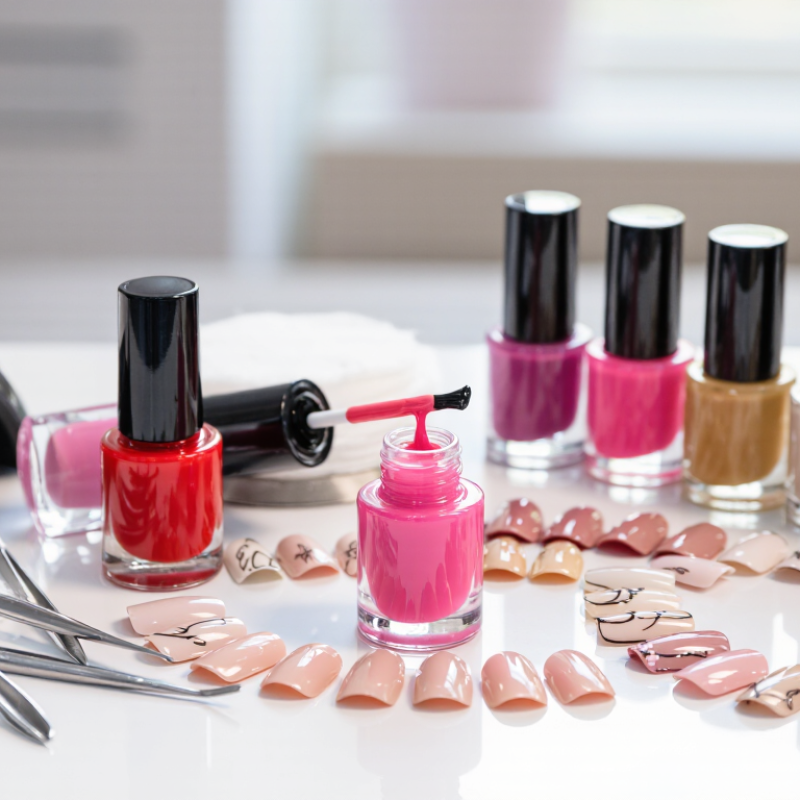
Liner gel is a brush-friendly nail product designed for narrow lines, delicate curves, and small decorative details. Its texture often gives artists more control than a runny color gel, though formulas vary. A fine striping brush can draw crisp borders, French tips, lettering, or a thin stem across a finished base. Small details matter.
In practice, the brush should carry only a modest bead of gel. Too much can spread or leave a raised ridge; too little may drag and break the line. Artists often rest a finger on the table to steady their hand, then rotate the nail rather than forcing an awkward wrist angle. A quick test stroke on a palette can reveal whether the gel flows smoothly. Cure each layer according to the product’s instructions, since lamp requirements and application thickness differ.
Common uses include geometric patterns, fine outlines, marble accents, and delicate floral work. Liner gel can also add contrast to a simple nude or single-color manicure without covering the whole nail. It is not automatically easier than regular gel polish. Very thin lines take practice, and a correction brush may soften an uneven edge before curing. Keeping brushes clean and capped helps preserve their shape, but even experienced artists sometimes redraw a line.
China’s liner gel nail manufacturing industry brings together formulation teams, filling lines, brush suppliers, and packaging workshops. Nearby component suppliers can make sample changes faster, though proximity alone does not ensure consistency. A liner gel must pass through a fine brush, keep a steady stroke, and cure evenly under a compatible lamp. Texture matters.
Production often begins with a target shade and viscosity, followed by small-batch trials. Technicians adjust pigment levels and gel flow, then test the formula on sample tips. A shade may look accurate on a display card but feel too thick in salon use. Fine lines need control. Brush fibers, cap fit, fill volume, and leakage are also checked before larger runs. Batch records help teams trace changes when a later sample behaves differently.
Quality checks vary by factory and order, so buyers should request current test details rather than assume every supplier follows the same routine. Useful checks include viscosity comparisons, packaging inspections, and curing tests using the intended lamp conditions. Ask for repeated samples, not just one polished prototype. Small flaws can be revealing: a brush that splays at the tip or gel that settles unevenly may signal a process issue. Even then, one test cannot predict every production batch.
Cosmetic safety checks are one part of quality control during manufacturing.
The bars show maximum limits, not measured levels in any product. Limits are from China’s Safety and Technical Standards for Cosmetics (2015); manufacturers should verify current requirements and applicability for their products.
Choosing a liner gel manufacturer requires more than comparing prices and color charts.
Grand View Research’s Nail Polish Market Size, Share & Trends Analysis estimated the global nail polish market at USD 14.3 billion in 2023, with a projected 6.2% compound annual growth rate from 2024 to 2030. This figure covers nail polish broadly, not liner gels alone, so treat it as market context rather than proof of product demand.
Details matter. Ask for documented batch controls, ingredient specifications, and stability-test results. A manufacturer should explain how it checks pigment consistency, gel viscosity, and performance under the intended curing lamp.
Request samples in the same packaging used for production. Draw fine lines on a practice tip, then check for skipping, spreading, and brush-tip fraying. Test repeated opening and closing; dried gel around the cap can reveal a practical weakness.
Ask whether the manufacturer follows cosmetic GMP principles, such as ISO 22716, and can provide relevant safety and quality documents. A sample can look excellent while a larger batch varies. Ask how rejected batches are recorded and corrected, and verify that answers match the factory’s written procedures.
One concern: a neat audit file cannot replace hands-on testing. Combine paperwork with a small production trial before committing to scale.
These ten profiles examine Chinese manufacturers of liner gel nail art products through practical factors: brush precision, gel viscosity, color consistency, filling capacity, and export experience. A fine liner brush should leave a controlled stroke without flooding the cuticle; stable viscosity helps artists draw clean curves under studio lighting. Small details matter. The profiles also distinguish in-house formulation and production from outsourced services, since supplier descriptions do not always make that distinction clear.
Market data offers context, not proof of any factory’s performance. Grand View Research estimated the global nail polish market at USD 14.3 billion in 2023, with projected growth through 2030. China’s National Bureau of Statistics reported cosmetics retail sales of RMB 414.2 billion in 2023, up 5.1% year over year.
These broader figures suggest a sizeable beauty market, but they do not measure liner gel demand specifically. Buyers should compare sample performance, batch records, ingredient documentation, and quality-control procedures directly. Ask for evidence. Public profiles may omit important limits, and a polished catalogue is not the same as a reliable production record.
China Top 10 Liner Gel Nail Art Manufacturers: Comparing Products, Quality Standards, and Export Capabilities
A useful comparison starts with the gel itself. Check whether the liner holds a narrow stroke without spreading, and whether its viscosity suits fine details or raised designs. Ask for samples in several shades. Black and white gels can reveal uneven pigment, brush drag, or settling after storage. Small details matter. Compare curing instructions and test the product with the lamp and application thickness you actually use. Results can vary, so one sample is not a complete quality assessment.
Quality claims are more useful when supported by records. Request batch identification, ingredient and safety documentation, and the supplier’s inspection process. Ask how color consistency, filling weight, brush condition, and cap sealing are checked. A tidy sample may not represent every production run. I would also ask how complaints are investigated; this part is easy to overlook. For export capability, compare production lead times, protective packaging, language-ready documents, and the ability to provide repeat orders with consistent specifications. Confirm details directly rather than assuming every supplier handles them the same way.
Tips: Test multiple batches, record curing and brush performance, and request current export documents before placing a large order. Keep the evaluation practical.
Evidence-based supplier comparison framework. Manufacturer-specific rankings, capacities, certifications, and export figures should be confirmed directly; no company-specific claims are made in this table.
| Comparison Dimension | What Can Be Compared | Evidence to Request | Reliable Comparison Rule |
|---|---|---|---|
| 1. Product range | Liner gels may vary by color range, glitter or shimmer effects, viscosity, and intended nail-art use. | Current catalog, shade card, product specifications, and samples from the same production batch. | Compare like-for-like formulas and shades; a catalog alone does not verify production availability. |
| 2. Application performance | Line control, pigment distribution, brush compatibility, and performance at the stated application thickness. | Written application instructions, retained samples, and documented evaluation results using an agreed test method. | Use the same substrate, brush, layer thickness, and curing conditions for each sample. |
| 3. Curing compatibility | Compatibility with specified UV or LED lamps and the supplier’s recommended curing process. | Curing instructions, lamp wavelength guidance where specified, and test results for the actual product formulation. | Do not assume one curing time or lamp works for every gel; follow product-specific instructions and verify with samples. |
| 4. Formula and ingredient information | Ingredient disclosure, restricted-substance controls, and formula change management for the target market. | Ingredient list, product specification, applicable compliance statements, and written notification process for formula changes. | Check requirements for the destination market and intended product use; a general compliance statement is not a substitute for review. |
| 5. Cosmetics GMP | Whether manufacturing controls are documented for production, sanitation, quality checks, and records. | Current audit or certification evidence, scope, issuing body, site address, and validity dates. | ISO 22716 provides guidelines for cosmetics Good Manufacturing Practices; verify the certificate’s scope and status independently. |
| 6. Batch quality control | Incoming-material checks, in-process controls, finished-product release criteria, and traceability. | Redacted batch records, certificate of analysis where available, lot coding examples, and complaint-handling procedure. | Compare documented acceptance criteria and traceability practices; do not assume there is one universal liner-gel test standard. |
| 7. EU market documentation | Readiness of the product documentation for sale as a cosmetic product in the European Union. | Evidence supporting the responsible person’s compliance work, including product information and safety assessment arrangements where applicable. | EU Cosmetics Regulation (EC) No 1223/2009 sets requirements for cosmetic products; confirm responsibilities with the EU responsible person. |
| 8. US market requirements | Support for applicable US cosmetic regulatory obligations and product labeling review. | Product and facility information needed by the responsible parties, labeling details, and a clear allocation of regulatory responsibilities. | MoCRA introduced US requirements that include facility registration and product listing, subject to applicable rules and exemptions; verify current FDA requirements. |
| 9. Safety data and transport | Availability of safety information and correct shipping classification for the actual formulation and shipment. | Current SDS, composition-related hazard information, and written confirmation of transport classification from a qualified source. | Do not infer dangerous-goods status from the product name; classification depends on the product and applicable transport rules. |
| 10. Export and order execution | Experience with the destination market, packaging requirements, shipment coordination, and order documentation. | Redacted export records, packaging specifications, sample commercial invoice and packing list, and agreed production and shipment milestones. | Confirm each document and delivery term for the transaction; export capability, MOQ, lead time, and capacity are supplier-specific and require direct verification. |
Note: This framework identifies verifiable comparison points rather than ranking unnamed manufacturers. Regulatory requirements can change and depend on the destination market, product classification, and supply-chain roles.