Leave Your Message
-
Phone
-
E-mail
-
Whatsapp

Choosing a dependable Uv Gel supplier takes more than comparing quoted prices. Global buyers need products that perform consistently, arrive on schedule, and come with clear technical information. A shade that looks perfect in a sample can shift between batches. Curing time, viscosity, brush feel, and packaging stability also affect daily use. Details matter.
This guide introduces suppliers and the practical questions buyers can ask before placing larger orders. Review product specifications, sample batches, production capacity, quality checks, and communication practices. Ask how the supplier handles batch records, packaging changes, and reported defects. Small tests help. Compare samples under the same lamp and application conditions, then record how each product applies and wears. This is more useful than relying on polished catalog images alone.
A reliable supplier should explain its materials and documentation clearly, without making vague performance promises. Buyers should also confirm that product information and labeling suit their intended markets and business needs. No supplier is perfect. A low minimum order may come with fewer customization options, while a broad catalog may require longer lead times. Not always. The best fit depends on the buyer’s priorities, order volume, and tolerance for risk. This overview offers a grounded starting point for comparing global Uv Gel suppliers, while leaving room for careful verification before a purchasing decision.
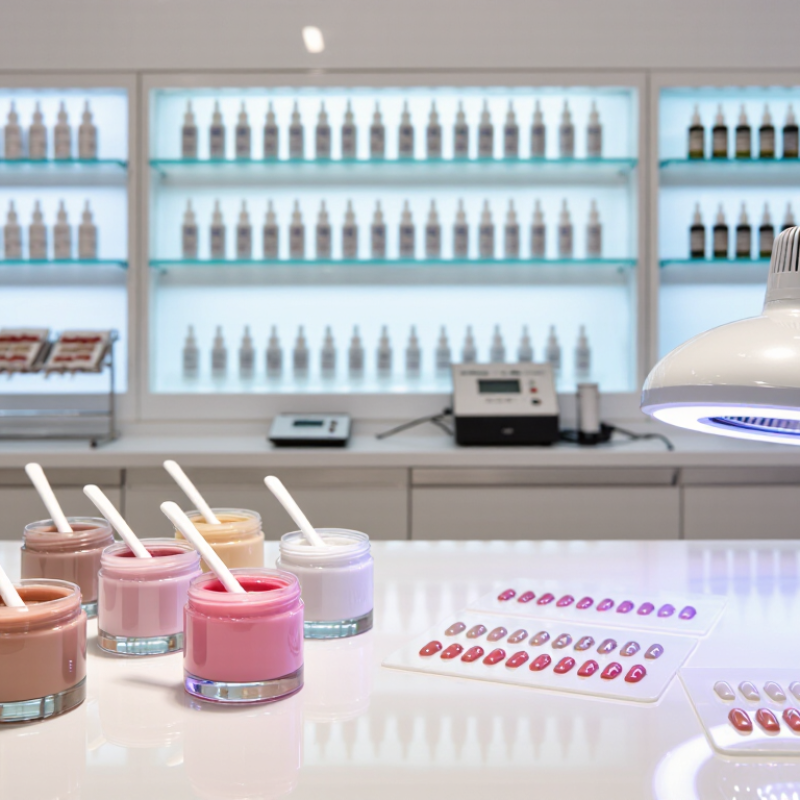
UV gel describes formulations that harden when exposed to ultraviolet or compatible LED light. The chemistry is practical: liquid material can become a solid film within seconds. Applications include protective coatings on wood and plastics, printing inks, adhesives, and some electronics assembly. Cure speed is useful. But light cannot reach every surface equally; shaded areas may remain soft.
The Grand View Research report on the global UV-curable coatings market estimates a value of USD 6.45 billion in 2023, with projected growth of 7.4% annually from 2024 to 2030. This points to rising use across industrial finishes and other applications, not a guarantee that every UV gel will fit every production line. Buyers should check wavelength, lamp intensity, viscosity, adhesion, and cure depth against the actual substrate. A neat sample can still fail on a curved edge.
For international purchasing, request current technical and safety data sheets, batch traceability, and clear storage instructions. Ask suppliers how the gel performs after transport and under local temperature swings. This detail is often overlooked. A small trial on the buyer’s own material can reveal tackiness, poor bonding, or uneven curing before a large order. Companies should also verify that packaging and documentation meet their destination-market requirements.
| UV Gel Product Category | Common Formulation | Typical Applications | Curing Considerations | Key Points for Global Buyers |
|---|---|---|---|---|
| UV-curable adhesives | Often based on acrylate or epoxy chemistry; formulations vary by substrate and performance needs. | Bonding glass, plastics, and selected metal components in electronics, optics, and consumer products. | Confirm the required lamp wavelength and intensity against the product technical data sheet. Shadowed bond areas may need a secondary cure mechanism. | Check adhesion to the actual substrates, viscosity, cure depth, shrinkage, and resistance to heat, moisture, or chemicals as required. |
| UV coatings and protective gels | Typically formulated with light-reactive oligomers, reactive diluents, and photoinitiators. | Surface protection and finishing for selected plastics, wood products, printed materials, and industrial components. | Coating thickness, pigment or filler content, and surface geometry can affect cure. Some acrylate systems may be affected by oxygen inhibition at the surface. | Request data on hardness, flexibility, gloss, abrasion resistance, and applicable emissions or chemical regulations for the destination market. |
| UV printing inks and overprint varnishes | Light-curable ink or varnish systems designed for specific printing processes and substrates. | Labels, packaging, commercial print, and decorative printing on compatible materials. | Compatibility depends on the press, lamp system, ink film thickness, and substrate. Follow the printer and ink supplier’s curing specifications. | Verify print-process compatibility, adhesion, rub resistance, food-contact suitability where relevant, and required documentation for the intended use. |
| Electronics encapsulation and potting gels | UV-curable resin systems; some products combine UV curing with a secondary heat- or moisture-activated cure. | Protection of selected sensors, circuit components, and electronic assemblies. | Light must reach the material to initiate UV cure. Opaque components or deep cavities may require a product with a validated secondary cure mechanism. | Assess dielectric properties, thermal performance, outgassing, adhesion, and service conditions; confirm cure in the actual assembly geometry. |
| UV nail gels | Cosmetic gel formulations commonly containing reactive acrylate or methacrylate ingredients; exact compositions differ by product. | Nail coatings and extensions when used as directed with a compatible curing lamp. | Use the lamp type and exposure time specified for the product. Incomplete curing can leave reactive material and may increase the risk of skin sensitization. | Check ingredient labeling, safety documentation, applicable cosmetic requirements in each destination market, and instructions for professional handling. |
Buyer note: “UV gel” covers multiple product types, and formulations are not interchangeable. Request the current technical data sheet and safety data sheet, and validate curing, performance, and regulatory suitability for the intended application and destination market.