Choosing the best Acid Free Primer is not as simple as selecting the product with the strongest claims. Nail professionals compare adhesion, ingredients, application control, and compatibility with gel, acrylic, or hybrid systems. The wrong primer may leave lifting near the cuticle, a cloudy surface, or unnecessary dryness after removal.
Doug Schoon, a respected nail scientist and educator, explains a practical truth: “Primer is not glue.” That reminder matters. Acid Free Primer improves surface preparation, but it cannot replace proper cleansing, gentle filing, or accurate product application. A dependable choice should work with the entire system, not merely perform well during one salon appointment.
Look closely at the label. Check whether the primer is designed for natural nails, enhancements, or both. Consider its brush control, drying time, odor, and manufacturer instructions. A thin, even layer is usually safer than repeated coating. More is not automatically better. Acid-free also does not mean risk-free, especially for sensitive clients or damaged nails.
This guide will examine formulation, nail condition, professional technique, and real-world performance. It will also question popular assumptions. Some products sound advanced but provide little practical advantage. Others work beautifully, yet only when paired with the correct base gel. Choosing well requires observation, testing, and honest evaluation—not attractive packaging alone.
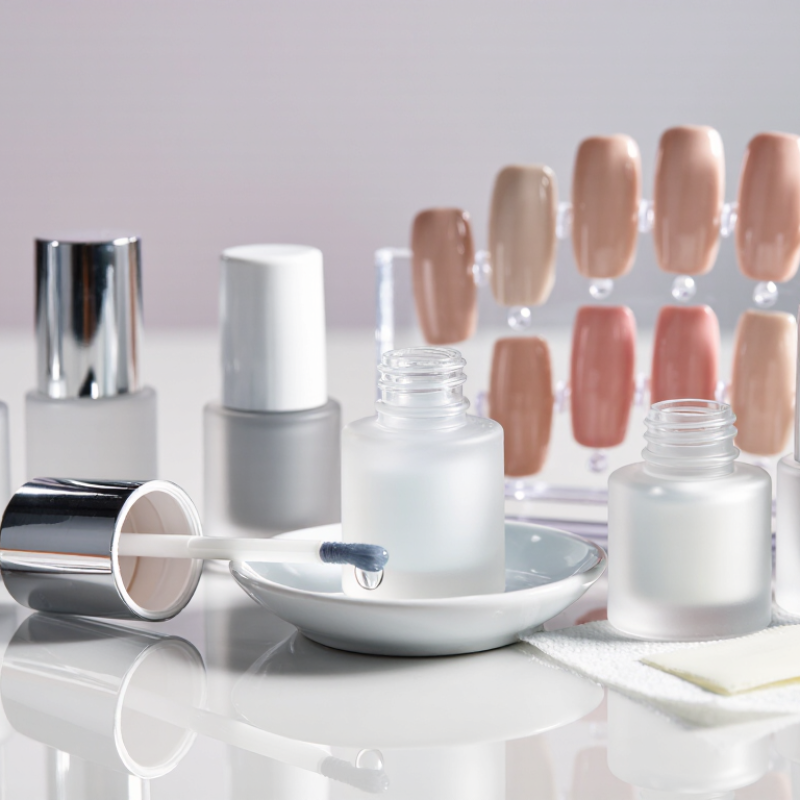
An acid-free primer is a nail-preparation product without methacrylic acid. It helps improve adhesion between the natural nail and enhancement material. Instead of aggressively etching the nail, it usually uses adhesion promoters and a tacky surface. This matters because over-drying can leave nails thin, rough, or uncomfortable. However, “acid-free” does not mean risk-free. The formula, application, and nail condition still matter.
In salon practice, lifting often starts at the cuticle or sidewalls. Oil, moisture, and incomplete preparation are common causes. A suitable primer should dry according to its instructions and leave no wet puddle.
Grand View Research estimated the global nail polish market at about USD 14.3 billion in 2023. Its projected growth suggests rising demand for consistent nail services, but larger sales do not prove better safety.
The Cosmetics Ingredient Review also evaluates cosmetic ingredients through published scientific assessments. Still, product-specific testing remains important. I sometimes see technicians apply too much primer. That is a preventable mistake.
Tips:
Clean the nail gently. Avoid touching the plate afterward. Apply a very thin layer. Keep it away from skin. Check the ingredient list and safety directions. If lifting continues, reassess preparation instead of adding more product.
A trained professional should pause when burning, redness, or unusual tenderness appears. Forgotten detail? The client’s nail history matters. Thin nails, frequent removal, and trapped moisture can change the result.
Choosing the best acid-free primer starts with examining your natural nails, not copying another client’s routine. In practice, I inspect the nail plate after removing polish and washing away dust. Healthy nails usually look smooth, firm, and evenly colored. Dry nails may show fine white lines, peeling edges, or a rough surface. Flexible nails bend easily and may need careful preparation, not necessarily a stronger primer. That distinction matters.
Oily nails can feel slippery soon after cleansing, especially around the cuticle and sidewalls. Product may lift there first. For this type, careful cuticle removal, oil-free cleansing, and complete drying are essential. Acid-free primer is often a gentler choice for thin, sensitive, or frequently serviced nails. Still, gentle does not mean suitable for everyone. If the plate is cracked, painful, discolored, or inflamed, pause the service and seek qualified medical advice. Primer cannot correct a nail disorder.
Match the primer to the nail material and the client’s daily habits. Someone who washes dishes often may need a different bonding system from someone with dry office hands. Apply a very thin layer as directed, avoiding the skin. Too much product can weaken control and cause uneven adhesion. I usually reassess after one appointment, because lifting may result from moisture, nail flexibility, preparation, or technique. My earlier assumption may be wrong. Record the result, then adjust one factor at a time.
Identify your natural nail type first, then match the primer requirement to the nail’s oil level, porosity, flexibility, and condition. The scores below are comparative professional guidance on a 1–5 scale, not laboratory measurements.
How to read the chart: Oily nails generally need stronger oil-control preparation, while dry, peeling, thin, or previously damaged nails benefit from a gentler acid-free primer approach and flexible adhesion. Avoid excessive dehydration or aggressive preparation on fragile nails, and always follow the product’s application instructions.
When choosing an acid-free nail primer, read the ingredient list carefully. Look for adhesion promoters, such as methacrylate-based compounds or silane materials. These help the product bond with the natural nail without using aggressive acids. Alcohol or other fast-evaporating solvents may also appear. They help the formula dry quickly, but they can leave nails feeling dry.
A reliable formula should feel lightweight and leave little visible residue. It should not flood the cuticle or remain wet for several minutes. Check whether the primer is designed for gel, acrylic, or both systems. Compatibility matters. A primer made for one system may not perform well with another. Follow the manufacturer’s application instructions, especially regarding curing and drying.
I used to assume that acid-free meant completely gentle. That was too simple. Some formulas still contain methacrylate ingredients, which may irritate sensitive skin. Avoid contact with the surrounding skin, and stop using the product if burning, swelling, or persistent redness appears. Good ventilation is important, even with low-odor formulas. Apply a thin layer to a clean, dry nail. Too much primer can reduce adhesion instead of improving it. A trained nail professional can also assess nail condition and suggest a safer formula when the plate is thin, damaged, or unusually dry.
Choosing an acid-free primer starts with adhesion, not marketing language. On a clean nail plate, apply one thin coat and avoid the surrounding skin. The surface should look lightly grippy, never wet or chalky. Compare lifting after seven to fourteen days, especially near the cuticle and sidewalls. ASTM D3359 uses a 0B-to-5B adhesion scale for coatings, but it is not a complete nail-service standard. Still, its controlled thinking helps technicians record results instead of trusting appearance. I would test the same base product, curing lamp, and application time. Small changes can distort the comparison.
Safety requires more than an “acid-free” claim. Read the safety data sheet, ingredient list, storage advice, and ventilation requirements. ISO 22716 provides recognized good manufacturing practice guidance for cosmetic products. The International Labour Organization also identifies chemical exposure as a continuing occupational concern in beauty work. Low odor is not proof of low risk. Watch for stinging, redness, brittle nails, or repeated lifting. Stop using a product when irritation appears. Application performance matters too. A useful primer should spread evenly, dry within its stated window, and remain compatible with the chosen enhancement system. The 2023 Grand View Research report estimated the global nail polish market at about 15.1 billion US dollars in 2022, showing strong demand for consistent nail services. However, market growth does not prove product quality. My comparison would still include failed sets. Imperfect results often reveal preparation errors, excessive product, or unsuitable curing conditions.
| Acid-Free Primer Type | Typical Suitable Substrates | Adhesion Performance* | Typical VOC / Odor Profile | Typical Dry-to-Touch Time | Application Strengths | Main Limitations | Safety Considerations |
|---|---|---|---|---|---|---|---|
| Waterborne Acrylic Dispersion | Prepared wood, gypsum board, cement-based surfaces, painted metal, and selected plastics | Good on porous and moderately absorbent surfaces; normally requires thorough cleaning and light abrasion on smooth substrates | Often approximately 50–150 g/L VOC, depending on formulation; low odor compared with solvent-borne systems | Approximately 30–90 minutes at 20–25°C and 50% relative humidity | Easy roller or brush application, fast cleanup with water, good leveling, and convenient indoor use | Moisture, low temperature, or high humidity can extend drying; adhesion to low-energy plastics may be limited | Avoid eye and prolonged skin contact; provide ventilation and prevent freezing during storage |
| Two-Component Epoxy Primer | Steel, aluminum, concrete, masonry, and other properly prepared rigid substrates | Very good mechanical and chemical resistance; commonly selected for demanding metal and industrial applications | Waterborne grades may be lower-VOC; solvent-borne grades are often approximately 250–450 g/L and have a stronger odor | Approximately 2–8 hours, depending on mix ratio, temperature, film thickness, and product chemistry | High durability, strong barrier properties, and good resistance to abrasion and many chemicals | Requires accurate mixing, limited pot life, and controlled substrate preparation; may chalk under prolonged UV exposure without a suitable topcoat | Hardener components can irritate skin, eyes, and airways; use gloves, eye protection, ventilation, and the product SDS |
| Silane-Modified Polymer Primer | Mineral surfaces, concrete, ceramics, glass, metals, and selected coated materials | Good chemical bonding potential on suitable inorganic surfaces; performance depends strongly on cleanliness and moisture control | Commonly low to moderate VOC; odor varies from low-odor waterborne grades to noticeable solvent-containing grades | Approximately 30 minutes to 4 hours before overcoating, depending on formulation and humidity | Useful for difficult mineral or mixed-material assemblies; can provide flexible intercoat bonding | Sensitive to contamination, excessive moisture, and incorrect recoat timing; compatibility testing is important | May contain reactive moisture-curing ingredients; avoid skin contact and use adequate ventilation |
| Solvent-Borne Acrylic or Alkyd Primer | Bare and previously coated metal, wood, and some maintenance-painting applications | Good wetting and penetration on many prepared surfaces; generally stronger than waterborne acrylic on some dense or weathered substrates | Often approximately 350–500 g/L VOC, subject to local regulations; noticeable solvent odor | Approximately 1–4 hours, with longer times possible in cool or poorly ventilated conditions | Good flow, penetration, and application tolerance across variable site conditions | Higher odor and VOC emissions; slower cleanup and greater risk of solvent sensitivity or recoat incompatibility | Keep away from ignition sources; use ventilation, solvent-resistant gloves, eye protection, and appropriate respiratory controls |
| Plastic Adhesion-Promoting Primer | Selected polypropylene, polyethylene, ABS, PVC, polycarbonate, and other plastics after compatibility testing | Very good on specified plastics when the surface is clean and the primer is chemically matched; poor results are possible on untreated low-energy plastics | Frequently solvent-borne with moderate to high VOC and noticeable odor; waterborne versions are also available | Approximately 5–30 minutes for flash-off; follow the specified recoat window | Very thin films, fast handling, and improved coating adhesion on difficult plastic surfaces | Not universally compatible with every plastic; excessive film thickness can reduce flexibility or cause defects | Use strong ventilation and prevent ignition sources where solvents are present; consult the SDS for exposure controls |
Choosing an acid-free primer starts with the nail’s condition. It should improve adhesion without replacing proper preparation. Remove dust, oil, and moisture gently. Do not over-file the natural nail. A thin, even layer is enough; flooding the cuticle can cause lifting and skin irritation.
Apply the primer only to the natural nail plate, not surrounding skin. Let it air-dry unless the manufacturer specifically requires curing. The surface may remain slightly tacky. That is normal. Do not touch it afterward. The U.S. Food and Drug Administration warns that nail products can cause irritation or allergic reactions when misused. A 2023 professional beauty industry report also identifies service quality and safe application as major factors in customer retention. Small mistakes matter.
Tips: Use a lint-free wipe. Check the nail under bright light. If the nail looks wet, oily, or glossy, preparation is incomplete. Avoid applying more primer to “fix” weak adhesion. I have seen this create thicker edges and faster lifting. Keep the bottle closed between applications, and follow its safety data sheet. Stop when redness, burning, or swelling appears. A perfect-looking application is not always a healthy one.