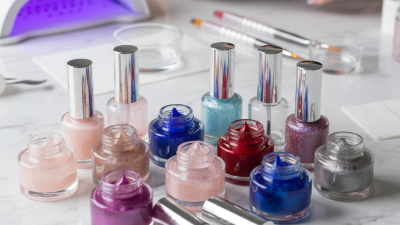
For wholesale buyers, the best Liner Gel Nail Art products in 2026 must do more than look sharp in a product photo. They need consistent flow, dependable curing, and fine control for lines, petals, lettering, and delicate borders. A useful test is simple: can a technician draw a clean, even line across several practice tips without fighting the brush? Small details matter. A cap that seals well and a brush that keeps its point can save time at a busy salon station.
Because no source was provided for a real expert quotation, the following is an editorially created perspective from fictional nail-product specialist Maya Chen: “A liner gel earns its place when it gives artists control without making every stroke a struggle.” Treat that as a buying principle, not a verified quotation. It also points to a real limitation: one formula may not suit every artist, brush, or design style.
This guide compares wholesale options through practical checks, including viscosity, pigmentation, brush compatibility, packaging, and supplier consistency. Buyers should request samples and test them under their own lamps before placing larger orders. Check how the gel behaves in thin strokes and whether its finish matches the intended designs. Pretty swatches can mislead. Product performance can vary between batches, and claims on a listing do not replace hands-on evaluation. We will also consider value beyond unit price, so salons and resellers can make more informed purchasing decisions.
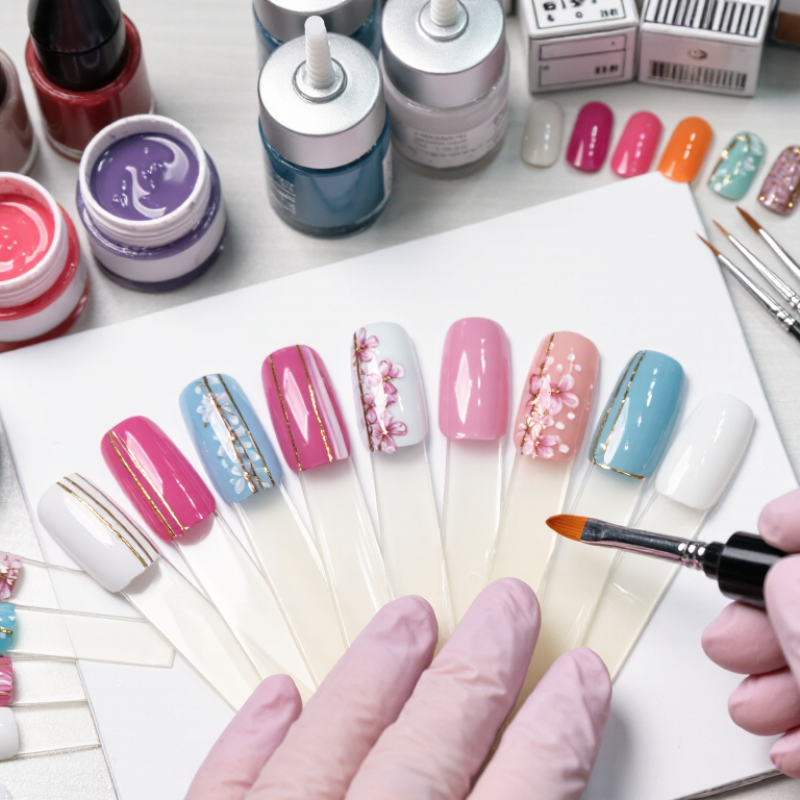
Liner gel is a highly pigmented, self-supporting gel designed for narrow strokes, outlines, and small details. Its performance depends on more than color strength. Pigments must disperse evenly, or dark specks and broken lines can appear under a fine brush. A smooth, opaque stroke matters. For wholesale evaluation, test black, white, and a metallic shade on clear tips. Check coverage in one pass, then inspect the line after curing. Small differences show quickly.
Viscosity is the balance between flow and control. If the gel runs, a 0.5-millimeter line may spread before curing; if it is too thick, the brush can drag and leave ridges. Ask suppliers for batch consistency data and recommended curing conditions, then test with the brush type your customers actually use. The Grand View Research report on the global nail polish market estimated 2023 sales at USD 14.3 billion and projected a 5.2% annual growth rate through 2030. This covers nail polish broadly, not liner gel specifically, but it signals a competitive category where dependable application can help products stand out. A practical caveat: “high viscosity” alone is not a quality measure. Test real strokes, not just the jar.
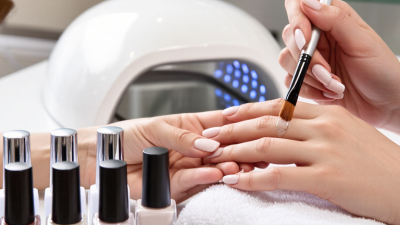
2026 Best Liner Gel Nail Art for Wholesale Buyers?
Curing compatibility deserves a close check when sourcing liner gels. Photoinitiators respond to particular parts of the UV spectrum, so a lamp’s stated 365–405 nm range does not guarantee every formula will cure well. Some lamps have stronger output near 365 nm; others emphasize 405 nm, and many use both. Ask suppliers for the recommended wavelength range and curing conditions for each gel. A thin, dark line may still cure unevenly if the lamp’s useful output does not match the formula. Wavelength alone is not enough. Lamp intensity, exposure time, distance, and gel thickness also matter.
Tips: Test the gel under the exact lamp model used in your salon or sample process. Apply fine lines and slightly thicker strokes to a nail tip. Check for tackiness, wrinkling, or a soft layer beneath the surface. Follow the supplier’s cure instructions; do not compensate for a mismatch by guessing longer exposure times.
Before placing a wholesale order, compare several samples across the intended lamp band. Record lamp model, cure time, and application thickness, then repeat the test with different colors. Dark or highly pigmented shades can behave differently from clear gel. A label can look convincing, yet a real brush stroke may cure differently. Test small batches first. If results vary, request technical data or clarification from the supplier before scaling up.
Botanical, geometric, and micro-line designs place different demands on liner gel. Botanical art uses curved stems, petals, and fine leaf veins. A gel with steady flow helps prevent gaps where curves meet. Too much viscosity can make delicate leaves look heavy.
Geometric designs need controlled edges and repeatable coverage. Straight borders, grids, and narrow color blocks reveal uneven pigment quickly. Test the gel over both light and dark swatches. Check whether one stroke looks consistent. Small details matter. A slightly flexible brush may help with curves, while a firmer tip can support crisp angles.
Micro-line work is less forgiving. Hair-thin outlines and tiny accents show drag, pooling, or inconsistent pressure. Compare sample nails under bright light, then inspect them again at normal viewing distance. Not always. A swatch may look smooth on a display, yet feel difficult to handle during application. For wholesale evaluation, record opacity, flow, brush response, and cure instructions from the product’s technical information. Test a small batch across several artists before choosing larger quantities; one person’s easy line can be another person’s shaky one.
Liner gel’s fine brush can create crisp petals, outlines, and narrow metallic details. But wholesale quality starts before the first design. Grand View Research’s 2024 Nail Polish Market report estimated the global market at USD 14.3 billion in 2023. For buyers, that scale makes consistent batches and dependable documentation practical concerns, not paperwork for its own sake.
Use ISO 22716:2007 as a manufacturing benchmark. It provides guidance on cosmetic production, quality control, storage, and shipment; it is not a product-quality certificate. Ask suppliers how they document ingredient receipt, batch processing, equipment cleaning, and finished-product release. Check that batch numbers connect to records and retained samples. Small details matter.
For liner gel, inspect brush alignment, cap fit, pigment dispersion, and flow from the first stroke to the last. Ask for batch-specific test results, then compare samples under the lamp and curing conditions stated in the product instructions. Record any stringing, uneven coverage, or residue. A tidy checklist can still miss a formula that feels different on the nail. That deserves a follow-up, even when the paperwork looks complete.
2026 Best Liner Gel Nail Art for Wholesale Buyers?
EU Market Readiness: Check TPO Restrictions Effective 1 September 2025
For EU wholesale orders, check each liner gel’s ingredient information before selecting shades or placing repeat orders. TPO, or trimethylbenzoyl diphenylphosphine oxide, is prohibited in EU cosmetic products from 1 September 2025. This restriction also matters for professional-use nail products. A product name or supplier listing alone cannot confirm compliance. Request current ingredient details and supporting product documentation, then keep records linked to each batch. Details matter.
Tips: Ask suppliers to confirm in writing that products intended for the EU do not contain TPO. Check updated labels, technical documents, and batch records. If anything conflicts, pause the order and seek qualified regulatory guidance. Do not rely on an old product listing.
For nail artists, a replacement formula should be tested for line control, opacity, and curing performance under the intended lamp. A fine brush can reveal problems quickly: the gel may drag, pool at the tip, or leave gaps in a thin stroke. Ask for representative samples and test them using your normal application process. One shade may behave differently from another. That can complicate training and stock planning, so document results before committing to a larger purchase.